 Business and Consumer Services
Your IPTV UK Starter Kit for Exceptional Home Entertainment…
In an era where entertainment options are plentiful but often disappointing, many UK households are turning to IPTV (Internet Protocol Television) as their go-to source for reliable viewing. IPTV services provide an exciting alternative that combines a vast array of live channels and on-demand content, all delivered in high definition without the frustrating buffering that can plague other streaming services. This article aims to guide you through everything you need to know about IPTV UK, including its benefits, how to choose the right provider, pricing, and setup, as well as ensuring your experience is smooth and satisfactory. When exploring options, IPTV UK provides comprehensive insights into how these services can transform your home entertainment experience.
Understanding IPTV UK: What You Need to Know
What is IPTV and How Does It Work?
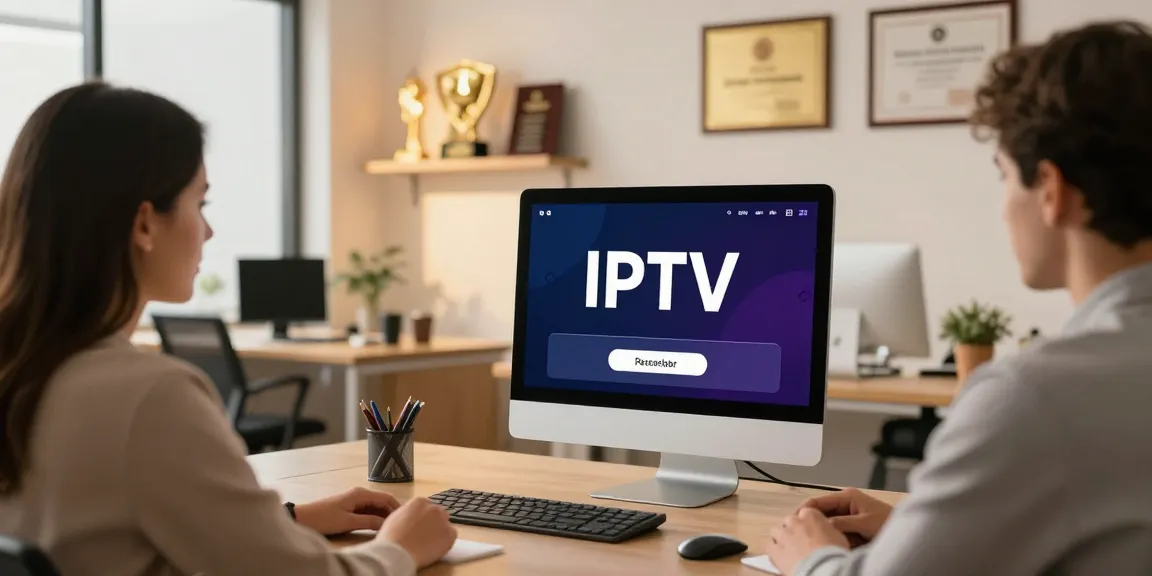
IPTV stands for Internet Protocol Television, a method of delivering television content over the internet instead of through traditional terrestrial, satellite, or cable formats. Using a broadband connection, IPTV allows users to stream videos and live television channels directly to their devices, such as Smart TVs, smartphones, tablets, and computers. The technology works by encasing TV signals in IP packets, which are transmitted over the Internet, allowing viewers to watch their chosen programs anytime, anywhere, as long as they have an internet connection.
The Benefits of Choosing IPTV for Home Entertainment
IPTV offers several advantages. Firstly, it provides access to a vast array of channels—over 40,000 live options, including local UK channels and international broadcasts. Moreover, with features such as 4K Ultra HD streaming and zero buffering technology, the viewing experience is often superior to traditional cable TV. Users can also enjoy videos on demand, allowing them to watch what they want, when they want. Other benefits include enhanced privacy through built-in VPN protection and the flexibility of no long-term contracts, significantly appealing to consumers looking for convenience and quality in their entertainment choices.
Exploring the Variety of IPTV Services Available
The IPTV market is diverse, offering various plans and features tailored to different subscriber needs. From basic packages featuring essential channels to premium plans providing comprehensive access to international content, the options are extensive. Some services also offer specialized plans targeting specific communities or interests, such as sport or international news, providing tailored experiences for various audiences.
How to Choose the Right IPTV Provider in the UK
Key Factors to Consider When Selecting an IPTV Provider
When selecting an IPTV provider, several crucial factors should be considered. Firstly, examine the channel line-up—ensuring the service includes the channels you most frequently watch is vital. Secondly, evaluate the quality of customer service. Providers that offer responsive support and easy access to troubleshoot issues can save you significant frustration down the line. Moreover, look for a service that provides a money-back guarantee, allowing you to test the service risk-free. This will also demonstrate the provider’s confidence in their offerings.
Identifying Reliable IPTV Services: Reviews and Testimonials
Researching customer reviews and testimonials can provide insights into how a service performs in real-world conditions. Look for feedback on content variety, streaming reliability, and customer service responsiveness. Verified reviews collected from platforms such as WhatsApp Business can be particularly informative, giving a clear picture of user satisfaction. Importantly, always be wary of overly positive reviews that don’t provide detailed experiences; these might be fabricated.
Local vs National IPTV Providers: Understanding Your Options
Both local and national IPTV providers have their merits. Local providers often tailor their services to meet community needs and may offer more personalised customer service, making them a good choice for those who appreciate local expertise. On the other hand, national providers tend to offer a more comprehensive range of content, especially for international channels. Assessing your specific needs, such as the required channel selection, customer service preferences, and budget will help you choose the best IPTV provider for you.
Pricing and Plans for IPTV UK Subscriptions
Typical Costs for IPTV Services and Subscriptions
Pricing for IPTV services varies significantly depending on the provider and the selected plan. Typically, basic subscription packages can start as low as £5 per month, while more extensive plans with enhanced features might range from £10 to £30 per month. Most providers now favour a one-off payment structure, eliminating monthly direct debits, which saves subscribers from ongoing financial commitments.
Understanding IPTV Credit Systems for Resellers
For aspiring entrepreneurs, many IPTV providers offer reseller plans. These plans permit users to resell IPTV services under their name. The reseller credit system often works by purchasing credits that can later be converted into actual subscriptions. This can be a profitable business model, particularly when targeting niche markets, and many resellers pride themselves on building tailored packages suitable for specific communities or interests.
Comparative Analysis of Packages Offered by Top IPTV Providers
To make an informed decision, it’s essential to perform a comparative analysis of packages offered by different providers. Focus on key features like channel counts, VOD libraries, and special options such as family packs and regional packages. Make use of price comparison tables to highlight differences in pricing, channel offerings, and additional benefits like customer support quality and refund policies.
Installation and Setup of Your IPTV Service
Step-by-Step Guide to Installing IPTV on Your Devices
Setting up your IPTV service is typically a straightforward process. Most providers supply detailed installation guides that walk you through connecting to their service on various devices. Below are the general steps to get started:
- Purchase your chosen IPTV subscription.
- Download the recommended app on your device (most services support popular platforms like Smart TVs, Android, and iOS).
- Open the app and log in using your subscription credentials.
- Finalise the setup and browse your channels.
- In cases of troubleshooting, reach out to customer support for assistance.
Setting Up Parental Controls and Personalised Profiles
Many IPTV services provide parents with an option to set up parental controls. This feature allows you to restrict access to specific channels or content based on age appropriateness. Setting up personalised profiles can enhance the viewing experience, enabling family members to maintain separate watchlists and preferences.
Common Installation Issues and How to Resolve Them
Some common issues during installation may include device compatibility, poor internet connection, or app crashes. To resolve these issues, ensure your device is compatible with the IPTV application, check your internet speed to confirm it meets the required bandwidth (generally at least 25 Mbps for HD streaming), and reboot your devices periodically to ensure smooth operation.
Customer Support and Satisfaction Guarantee for IPTV Services
Understanding Your Rights: Refunds and Guarantees
It is crucial to understand your rights as an IPTV customer. Look for services that offer a satisfaction guarantee or a money-back period, which allows you to try the service risk-free. This applies especially to trial options. A seven-day money-back guarantee is a standard offering that allows cancellation if expectations are not met.
How to Access Support for Your IPTV Service
Quality customer support can significantly enhance your viewing experience. Make sure your provider offers multiple methods to reach out for assistance, including live chat, email, and phone support. Many customers appreciate quick responses and knowledgeable staff who can resolve issues efficiently.
Customer Experiences: What Others Are Saying About Their IPTV UK
Listening to other customers’ experiences can greatly inform your decision-making process. Seek out testimonials or reviews from verified customers to understand their satisfaction levels with specific IPTV providers. Feedback about connectivity, customer service responsiveness, and the overall entertainment experience are valuable indicators of reliability.
Conclusion
Choosing the right IPTV provider can transform your home entertainment experience, ensuring you can access a wide selection of channels and on-demand content without the frustrations traditionally associated with cable services. By leveraging the advice in this article—understanding IPTV’s fundamentals, weighing your choices carefully, and investigating customer experiences—you can confidently select an IPTV service that aligns with your specific entertainment needs.